
Glossary | Manganese
What is manganese?
Manganese is a hard, brittle transition metal with atomic number 25. It is valued for its strength, wear resistance, and ability to form alloys that enhance the mechanical properties of steel and other materials.
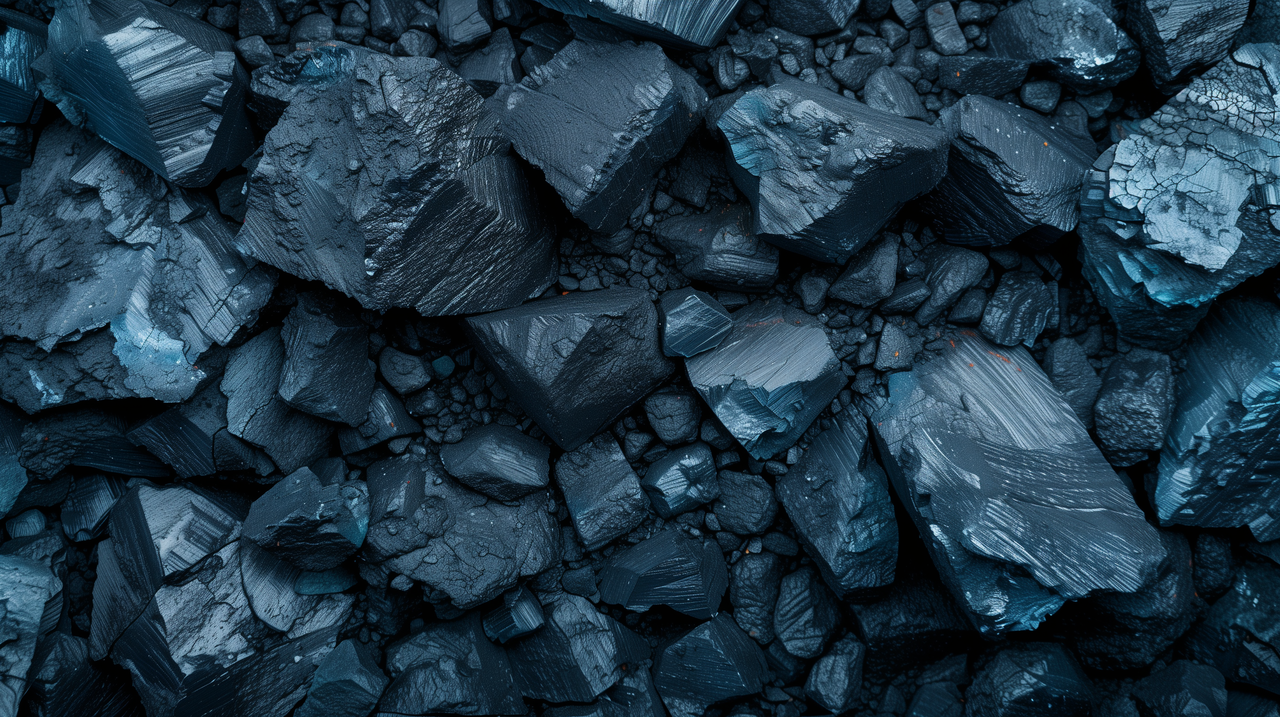
Manganese strategic importance is increasing with the expansion of lithium ion battery technologies. High-purity manganese sulphate has become a key precursor for cathode chemistries including nickel manganese cobalt (NMC), lithium manganese oxide (LMO), lithium nickel manganese oxide (LNMO), and lithium manganese iron phosphate (LMFP), which power electric vehicles (EVs) and battery energy storage systems (BESS).
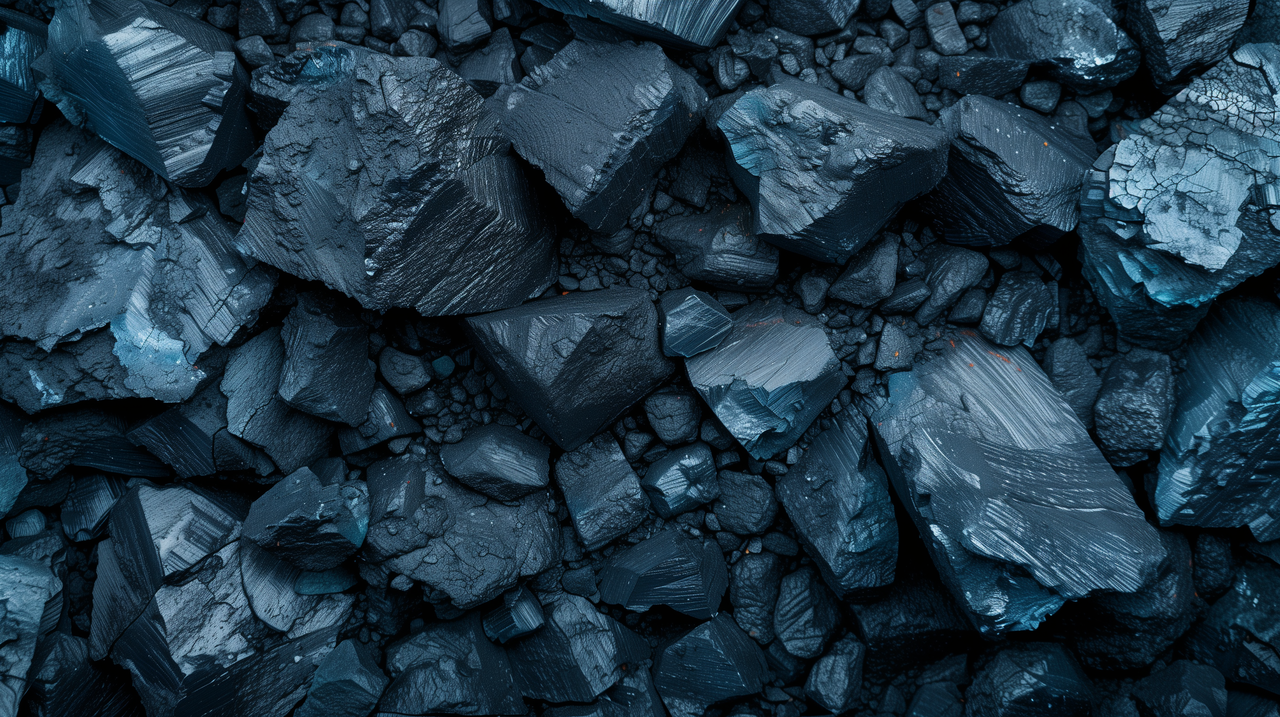
Geologically, manganese is the twelfth most abundant element in the Earth's crust and occurs in numerous mineral forms, notably :
pyrolusite (manganese dioxide)
rhodochrosite (manganese carbonate)
polymetallic manganese nodules
found across the ocean floor. These resources underpin global manganese supply for heavy industry and, increasingly, for the energy transition.
How Is Manganese Used in Steel and Batteries?
Historically, ~90% of mined manganese has been consumed by the steel sector, where it acts as a deoxidiser and alloying agent to improve hardness and durability. However, this landscape is evolving as manganese assumes a key role in next-generation lithium ion batteries.
Within the cathode - the positive electrode - manganese is typically combined with nickel and cobalt to
improve thermal stability
enhance operational safety
lower material costs
compared with high-nickel or cobalt-heavy chemistries. Its versatility also enables emerging lithium manganese iron phosphate (LMFP) formulations that aim to balance performance, cost, and sustainability.
What Challenges Exist in Producing Battery-Grade Manganese?
Producing material suitable for battery applications presents a significant technical challenge. Conventional refining routes generate electrolytic manganese metal (EMM) or electrolytic manganese dioxide (EMD), which do not meet the stringent specifications required for cathode production.
Battery manufacturers require ultra-high-purity manganese sulphate monohydrate (HPMSM), exceeding 99.95% purity, to prevent impurities from degrading cell performance or lifespan. Achieving this standard demands advanced chemical processing, including multi-stage purification and crystallisation.
Developing a reliable supply chain for HPMSM remains at an early stage, with few producers currently capable of meeting battery-grade specifications. As EV and stationary storage markets expand, establishing scalable and sustainable sources of high-purity manganese will be critical to technological progress and supply chain security.
Manganese's Role in Lithium ion Batteries
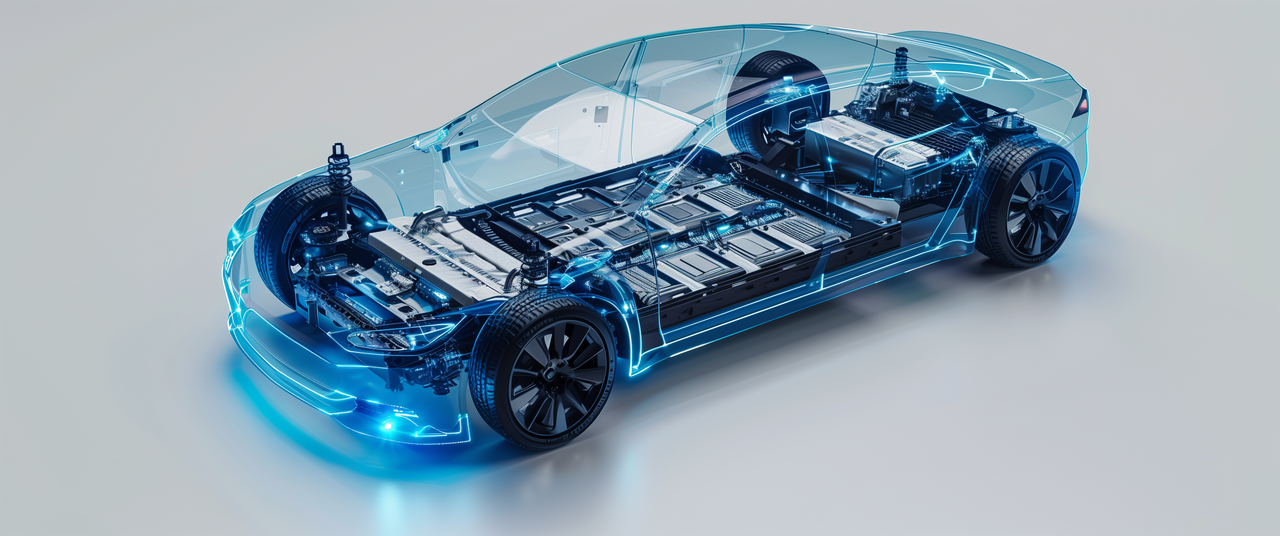
The global manganese supply chain operates along two distinct but parallel tracks:
steel-grade
battery-grade
The traditional steel-grade route remains dominant, absorbing ~90% of global manganese output.
Major producers including :
South Africa
Australia
Gabon
China
extract large volumes of manganese ore, which are smelted into ferromanganese and silicomanganese alloys used to strengthen and harden steel. This segment of the market is mature, well supplied, and highly liquid, with established logistics, pricing benchmarks, and long-standing trade flows serving the global steel industry.
How Is Battery-Grade Manganese Produced and Supplied?
Battery-grade manganese, by contrast, follows a different value chain. Producing high-purity manganese sulphate monohydrate (HPMSM) suitable for lithium ion cathodes requires purity levels above 99.95%, achieved through advanced chemical processing rather than smelting.
Three main production routes exist:
Upgrading electrolytic manganese metal (EMM) via dissolution and multi-stage purification;
Direct leaching of high-grade ore using controlled acid treatment and impurity removal to obtain a purified solution;
Hydrometallurgical extraction from tailings or low-grade resources using selective purification and crystallisation.
China currently dominates HPMSM supply, accounting for the vast majority of global output. Many Chinese refiners upgrade EMM feedstock - sourced domestically or imported mainly from South Africa - into high-purity sulphate. This process is energy intensive, chemically complex, and generates substantial waste residues, making environmental management an increasing concern.
Similar to the lithium-refining sector, Chinese HPMSM producers exert strong influence over global pricing, supply, and export flows. Western capacity remains limited, with projects such as Euro Manganese in Czechia and Manganese X Energy in Canada aiming to establish regional production but still several years from commercial scale.
How Is Manganese Used in Battery Chemistries?
Once refined, HPMSM is supplied to precursor and cathode manufacturers for use in lithium ion chemistries. Manganese content varies widely depending on formulation - roughly 10%-60% in nickel manganese cobalt (NMC) cathodes, depending on ratios such as 811 or 532. It is also a key component in lithium manganese oxide (LMO), used in power tools, buses, and certain electric vehicles (EVs), and in the emerging high-voltage, cobalt-free lithium nickel manganese oxide (LNMO) chemistry.
A typical EV using an NMC 622 battery contains ~5-8 kg of manganese. The shift towards higher-manganese formulations such as NMC 532, LMO, and LNMO is accelerating demand growth, transforming manganese from a traditional steel additive into a key material for the energy transition supply chain.
Manganese Applications: Where Does It Go?

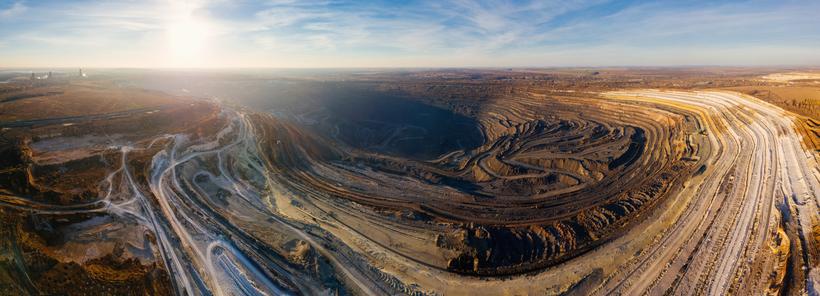
Manganese remains an essential industrial metal serving two distinct markets:
traditional steelmaking
the rapidly expanding battery sector
At present, ~90% of all manganese mined globally is consumed by the steel industry, where it enhances strength, toughness, and wear resistance in structural steels, stainless steels, and high-strength alloys.
These metallurgical uses are mature and well established, showing only modest growth in line with global infrastructure development and manufacturing output. The maturity of the steel sector means that major changes in manganese demand will increasingly arise from new energy technologies rather than traditional metallurgy.
Why Are Batteries Driving New Manganese Demand?
The next major growth driver lies in batteries. Electric vehicles (EVs) represent the main source of new demand, with lithium ion chemistries - particularly nickel manganese cobalt (NMC) - dominating the market. Within these cathodes, manganese acts as a structural and electrochemical component, improving safety and thermal stability while reducing dependence on high-cost cobalt.
Automakers are shifting from high-nickel NMC 811 formulations toward mid-nickel or manganese-rich variants such as NMC 622 and NMC 532 to stabilise costs and improve raw material security. This trend increases the relative manganese intensity of EV batteries, reinforcing the element's strategic importance within the energy transition supply chain.Synthetic
How Is Manganese Used in Energy Storage Systems?
Beyond transport, manganese is gaining traction in stationary energy storage systems (ESS), where cost, safety, and durability are key priorities. Lithium iron phosphate (LFP) continues to dominate today, but newer manganese-based alternatives are emerging to deliver higher energy density and stronger performance.
Two chemistries stand out:
LNMO operates at higher voltage, eliminates cobalt, and uses ~30% more manganese than a typical NMC 811 cathode, offering potential for a step-change in demand if commercialised at scale.
LMFP builds on the established LFP platform by adding manganese to enhance both energy density and thermal stability while maintaining the safety and cost advantages that make LFP widely adopted.
What Does the Future Hold for Manganese Demand?
While steel and other industrial sectors will remain the largest manganese consumers, batteries represent the fastest-growing end use. By 2035, demand from electric mobility and energy storage will have increased threefold. Manganese is therefore evolving from a conventional alloying element into a cornerstone material for the clean energy economy.
Manganese Prices: Market Dynamics
How Is Steel-Grade Manganese Priced?
Manganese pricing remains fragmented across its various end-uses and product forms. The steel sector, which accounts for ~90% of global consumption, operates with long-established benchmarks and comparatively transparent pricing.
Steel-grade manganese ore, alloys, and electrolytic manganese metal (EMM) are traded through well-defined spot and contract markets, with prices largely influenced by Chinese steel production cycles and global infrastructure trends. Manganese ore containing ~37% Mn typically trades between $4-7/dmtu, depending on grade, freight, and logistics. These markets are relatively stable and predictable.
Why Is Battery-Grade Manganese Pricing Less Transparent?
In contrast, pricing for battery-grade high-purity manganese sulphate monohydrate (HPMSM) remains opaque and is mostly negotiated bilaterally. There is currently no public benchmark and only limited transactional visibility. Because HPMSM production involves complex chemical processing and stringent purity control, supply is concentrated among a small group of producers, most based in China.
This concentration, combined with rapidly growing demand from electric vehicles (EVs) and battery energy storage systems (BESS), gives Chinese suppliers significant pricing influence. In 2025, HPMSM has been trading in the region of $2,400/t, though actual values vary widely according to purity specification, contract duration, delivery terms, and buyer relationships.
What Factors Drive Manganese Price Volatility?
Several factors drive HPMSM price movements. Changes in Chinese production capacity whether expansions or temporary shutdowns can quickly affect global availability. Cathode production trends, particularly for nickel manganese cobalt (NMC) chemistries, directly shape demand for high-purity material, while fluctuations in cobalt prices can steer manufacturers toward higher-manganese formulations.
Western projects targeting HPMSM production in Europe and North America may, over time, diversify supply and reduce reliance on Chinese output, though commercial timelines remain uncertain. As the market develops, producers and price reporting agencies are beginning to establish dedicated HPMSM benchmarks to improve transparency and strengthen price discovery in this strategically important segment.
Manganese Market Outlook
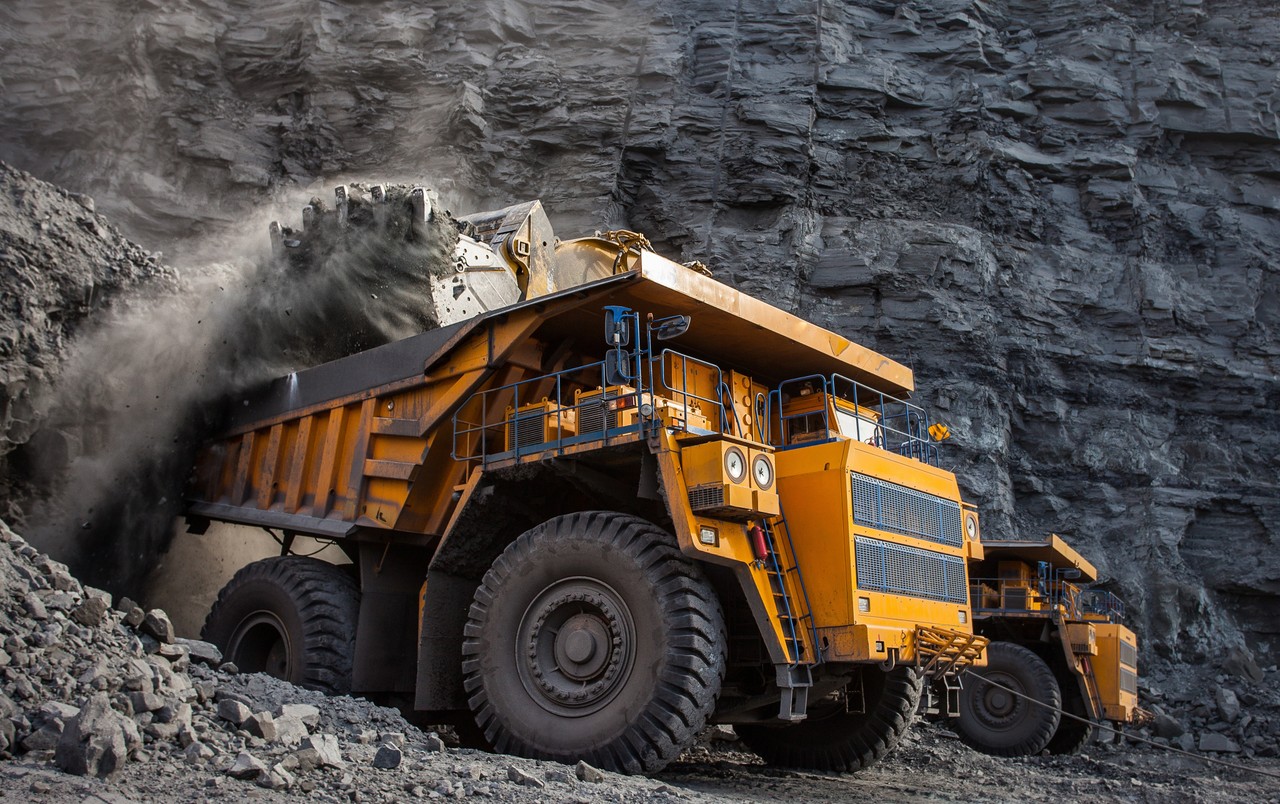
Global manganese demand is entering a new growth phase, driven by the rapid expansion of the lithium ion battery industry. Battery applications currently consume ~100,000t of manganese (metal equivalent) in 2025, but this figure is forecast to reach almost 300,000t by 2035 - tripling over the next 10 years.
Meeting this demand will require investment in high-purity manganese processing capacity rather than additional ore extraction, as feedstock availability is not the limiting factor. The real bottleneck lies in refining and upgrading capabilities to produce battery-grade high-purity manganese sulphate monohydrate (HPMSM).
Can Supply Chains Scale to Meet Rising Demand?
Constructing HPMSM facilities demands significant capital, advanced purification technology, and rigorous environmental permitting. Chinese producers have moved quickly to expand capacity, consolidating their position as the global supply hub. By contrast, Western initiatives in Europe and North America remain at earlier stages of development and face considerable challenges in financing, permitting, and scaling operations.
This imbalance has prompted governments and industry groups across the US and Europe to prioritise manganese within strategic materials policy. The US and the EU classify manganese as critical to the clean energy transition and have aimed to stimulate domestic processing and supply diversification. However, reducing China's dominance in high-purity manganese will require sustained investment over more than a decade.
How Could New Battery Technologies Impact Demand?
Market projections carry a significant degree of technological uncertainty. If lithium nickel manganese oxide (LNMO) cathodes achieve commercial success - eliminating cobalt, lowering costs, and operating at higher voltage - manganese demand could accelerate even further.
Likewise, lithium manganese iron phosphate (LMFP) is emerging as a promising next-generation chemistry, offering improved energy density and thermal stability over conventional lithium iron phosphate (LFP), while maintaining cost and safety advantages. Broad adoption would further increase manganese intensity across the cell market.
What Risks Could Slow Manganese Demand Growth?
Conversely, widespread deployment of alternative systems such as sodium ion or solid-state batteries could moderate demand growth by reducing reliance on nickel manganese cobalt (NMC) or other manganese-based designs.
Benchmark's forecasting models therefore account for multiple scenarios, reflecting both the material's strong potential in the energy transition and the interplay between technological innovation, geopolitical strategy, and industrial policy shaping the global manganese market.
Read More About Graphite

Site visit: Permanent Minerals highlights Africa’s growing flake graphite role
10th September 2025 | 3 min read Critical Minerals, Graphite

Benchmark launches FOB East Africa graphite prices as demand for graphite from outside China mounts
29th August 2025 | 5 min read Critical Minerals, Graphite

Chinese AAM imports into the US face 160% tariff following antidumping investigation ruling
18th July 2025 | 3 min read Anode, Batteries, Graphite

General FAQs
Additional frequently asked questions about the graphite market Can’t find an answer?
Contact UsWhat's the difference between natural and synthetic graphite?
What's the difference between natural and synthetic graphite?
Natural graphite is mined from carbon‑rich deposits found in countries including China, Mozambique, Brazil, and Madagascar. It occurs in three main forms flake, amorphous, and vein of which flake graphite is most relevant for battery applications. Before use in anodes, it must be purified and processed into spherical graphite.
Synthetic graphite, by contrast, is produced from petroleum or needle coke through a high‑temperature graphitisation process of ~2,500–3,000°C. Synthetic grades provide higher purity, structural uniformity, and longer cycle life, but is generally more expensive and significantly more energy‑intensive to produce.
Natural graphite dominates mid‑range EV applications due to its lower cost, while synthetic graphite is preferred in premium or long‑range models where performance and durability are prioritised.